

What’s the better job?
Oklahoma or Florida? Florida or LSU? Florida or Ole Miss? Ole Miss or LSU? Texas or Ohio State? Michigan or Texas A&M? Texas Tech or Utah? Arizona State or Baylor?
I have some ideas and you do, too.
It’s an eye-of-the-beholder thing, but maybe we can agree on a few points.
• Oklahoma’s up there with the heavyweights, just as long as it gets past LSU to reach the College Football Playoff. If not, it’s just an old blue blood that hasn’t done much in four seasons, trapped in a league it can’t rise above.
• Florida’s no better than the Sooner program Bob Stoops inherited back in December ’98, claiming one winning season since 2020, no double-digit wins since 2019, trying to avoid a nine-loss season this week.
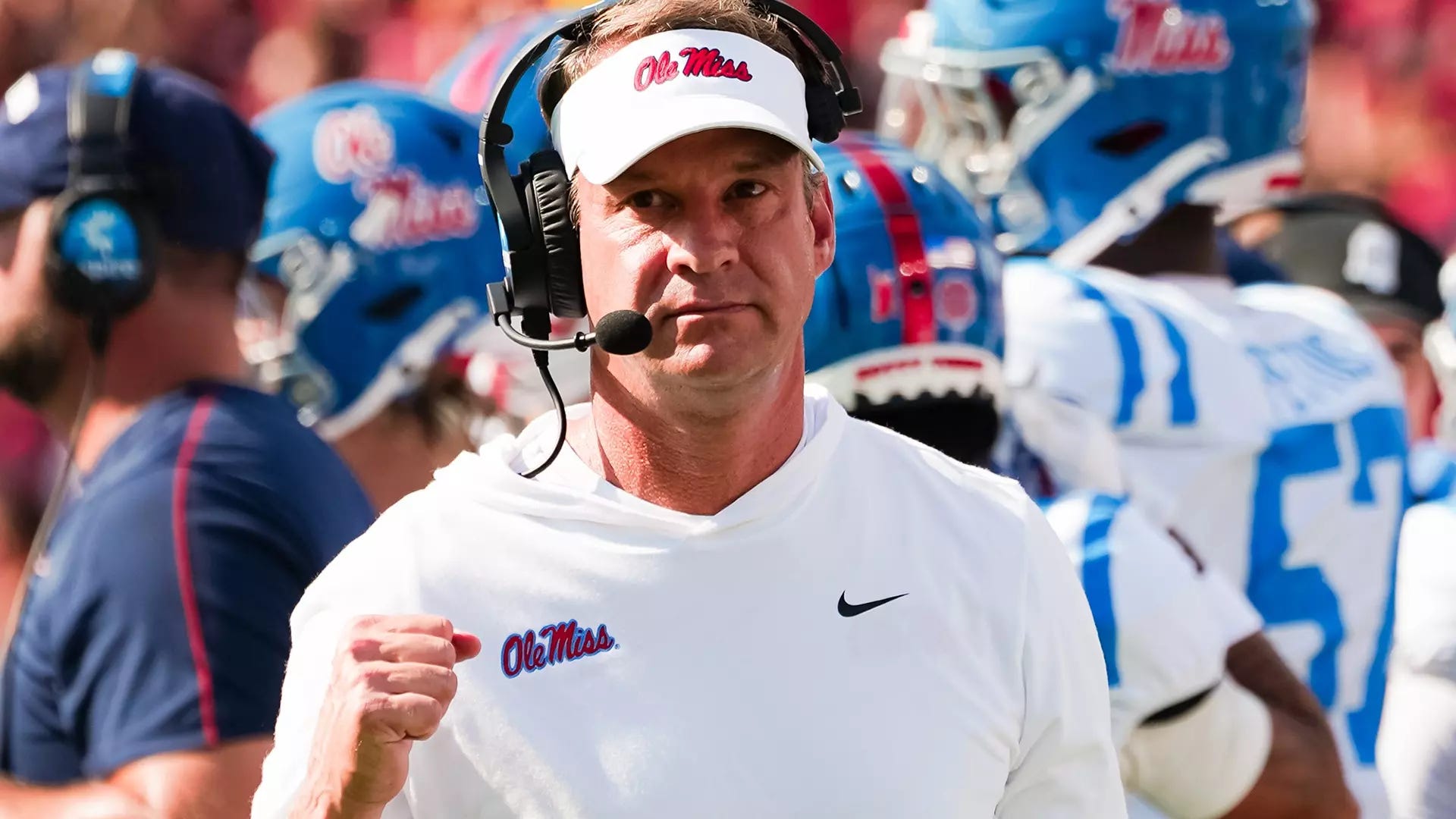
• Ole Miss is a terrific program as long as Lane Kiffin stays put.
• LSU has won three national championships since 2003, yet fired its last two coaches mid-season, so you tell me.
• Though we’ve heard no job’s better than Texas, from 2010 to ’24 the Longhorns averaged more than five losses. Lose to A&M on Friday, lose four more next season and Steve Sarkisian’s right back where Mack Brown, Charlie Strong and Tom Herman found themselves before him, trying to revive a once-proud program.
• A&M’s long been about big money and underachievement.
Typically, when jobs get ranked, what’s really being ranked is history and money.
That’s how Alabama, Oklahoma, Michigan, Notre Dame, Ohio State, Florida State, Penn State, Texas and USC stay in the pantheon even when not winning, just as long as their not-winning window doesn’t last as long as, say, Nebraska’s.
Throw in recency bias and you get LSU, Georgia and maybe Clemson, too.
Florida’s a wild card.
Though Gator fans may think so, it doesn’t have the ancient pedigree of the blue bloods so much as two big eras from two big-time coaches: Steve Spurrier, who won 122 games in 12 seasons and Urban Meyer, who won 65 in six.
Beyond Ole Miss, all have won a national championship or more and, with the possible exception of Ole Miss, can find the money to pay coaches, players, fund facilities, the works.
What they don’t share is coaching longevity, harmony and quality of life, things you’d think a wildly successful coach might covet once lucky enough to find them.
Which brings us to Lane Kiffin and his tired saga.
Florida and LSU want to pry him from Oxford, will pay him the world to do it and, should it not work out, likely pay him the world all over again to go away.
All Kiffin’s done is send his family to Gainesville and Baton Rouge on reconnaissance missions without giving Ole Miss any assurances he’ll stay put long enough to guide the Rebels through the playoff, which they’ll reach by topping Mississippi State on Friday.
You say Kiffin must leave because a better job is a better job and more money is more money, and how long can Ole Miss afford to be this good?
Here’s the answer: as long as Kiffin chooses to stay.
Because it’s not just this season.
Going back to 2021, Ole Miss has won 45 games (and counting).
Kiffin began the season the 10th-highest-paid coach in America at an annual $9 million with a buyout of $35.6 million, more than Florida paid Billy Napier before firing him on Oct. 19 and near enough what LSU was paying Brian Kelly, ($10.175 million) before firing him a week later.
There’s no guarantee Kiffin can repeat his success elsewhere.
Napier’s flop at Florida, after thriving at Louisiana, isn’t shocking — moving from the Sun Belt to the SEC is like going from the Arbuckles to the Rockies — but Kelly’s flop at LSU kind of is. After going 44-6 his last four seasons at Notre Dame, he looked like the surest thing.
Which is to say Kiffin should count his blessings, keep making his mint, living in the top 10 and chasing national championships, none of which Florida or LSU can guarantee beyond the paycheck.
If he just can’t take Mississippi any longer — understandable — he should have the decency to assure his players and bosses he won’t bail early or recruit against them while still on the payroll.
Treating people right, after all, is worth more than one early signing day.
It ought to be, at least.
No way Spurrier averaged 12.5 wins (150) per year at Florida.